SEO Strategy: A Practical Guide to Sustainable Organic Traffic Growth
 Written by Brendan Byrne
| Monday, December 1, 2025
Written by Brendan Byrne
| Monday, December 1, 2025
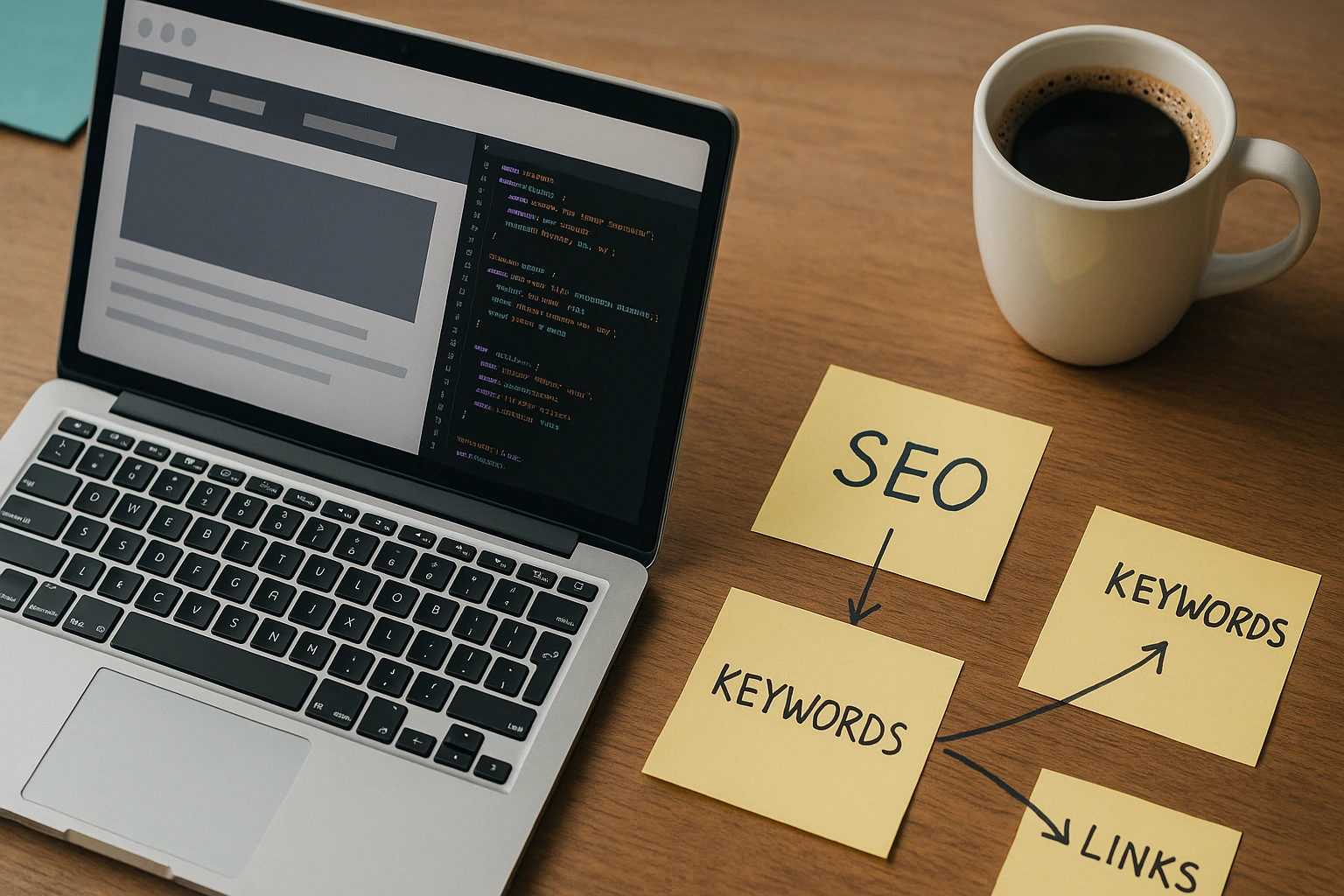
Harnessing SEO Strategy for Organic Growth
In the crowded digital landscape, building a website is only the beginning. The hard part — and the lasting value — lies in getting noticed: drawing real, organic traffic that turns casual visitors into loyal users or customers. That’s where a smart SEO strategy comes in. In this article, we’ll explore a holistic approach to SEO — focusing on content-driven growth, internal linking, programmatic SEO, on-page optimisation, and the factors that drive ranking. We also explain how a powerful platform like DataOT can support and accelerate your SEO efforts.
Why content — not shortcuts — leads SEO
Search engines today prioritise value. They look for content that answers users’ needs, shows expertise, and provides a smooth experience. That means:
- Depth over fluff: Long-thanks, shallow pages rarely win. Rich, authoritative content that thoroughly answers questions or covers a topic can rank far better.
- Freshness and relevance: Content that remains up to date — or better yet, is regularly refreshed or expanded — signals to search engines that your site stays current.
- User experience & site performance: If your page loads slowly or lacks structure, users bounce — and search engines notice.
By building a content-focused strategy, you create a foundation that attracts organic traffic over time. Great content builds trust, authority, and long-term value.
Internal linking: weaving a strong content network
A crucial yet often overlooked part of SEO is internal linking. A well-planned internal link structure helps:
- Guide users (and search engines) through your content in a logical, helpful way.
- Spread “link equity” — the ranking power — across your site, elevating lesser-known pages.
- Boost engagement and reduce bounce rate, as visitors discover more of your content.
Plan your linking like building a web: topical clusters at the core, cornerstone or pillar pages linked to supporting articles. Use descriptive anchor text. Avoid orphan pages (pages unlinked from anywhere).
With DataOT’s CMS, internal linking and content structure can be managed efficiently, even at scale, making it easier for content teams and marketing professionals to maintain a coherent internal link network as the site grows. DataOT+1
Programmatic SEO: scaling content without sacrificing quality
For many businesses — especially ecommerce, directory-style, or large content sites — manually creating every page isn’t feasible. That’s where programmatic SEO comes in: automatically generating many pages based on templates and data input.
The advantages:
- Scale and coverage: Launch thousands of pages targeting different keywords, product variations, geolocations, or content themes, quickly.
- Consistency: Uniform structure, meta tags, internal linking patterns — ensuring SEO hygiene across all pages.
- Flexibility: Easy to update en masse when data changes (e.g., pricing, availability, location details).
DataOT supports programmatic SEO via its toolset (e.g. “OT Smart Pages”), enabling sites to deploy large volumes of content rapidly — without sacrificing SEO fundamentals. DataOT+1
When implementing programmatic SEO, it’s critical to guard against thin or duplicate content. Each page must still provide real value — unique data, slightly different angles, or custom content — otherwise search engines may devalue them.
On-page optimisation: the building blocks of good SEO
Every page you publish should be optimised individually. Key aspects include:
- Meaningful title tags and meta descriptions that reflect the page’s purpose and target keyword.
- Clear headings (H1, H2, etc.) to structure content logically — helping both users and search engines.
- Optimised content: use target keywords (and related terms) naturally and avoid keyword stuffing.
- Image optimisation: descriptive filenames, alt-text, and compressed formats to improve load speed and accessibility.
- URL structure: clean, readable URLs; avoid overly long strings, queries, or meaningless parameters.
- Page performance: minified resources, efficient code, responsive design, and fast loading times. Page speed is a known ranking signal, and a fast site also improves user experience. DataOT+1
With DataOT CMS, many of these — including linking, performance-optimised setup, and SEO-friendly page structure — are automated or simplified, reducing manual overhead for your team. DataOT+1
Key ranking factors to prioritise
While search engine algorithms are complex and evolving, certain ranking factors remain consistently important:
- Content quality & relevance — Does the page meet user intent? Is it comprehensive, accurate, and helpful?
- User experience (UX) — Page speed, responsiveness, mobile friendliness, readability, clear navigation.
- Internal link structure & site architecture — Helps search engines crawl and index content, and distributes ranking power.
- Backlinks & authority — While this article focuses on organic traffic and internal structure, external links from reputable sites still matter.
- Technical SEO hygiene — Clean URLs, correct canonical tags, ALT attributes, structured data where appropriate, and avoidance of duplicate content or thin pages.
- Freshness and maintenance — Regular updates, content pruning or consolidation of outdated pages, and keeping site structure logical and up to date.
By aligning with these factors, your site stands the best chance of performing well — not just today, but long term.
How DataOT empowers a scalable, SEO-friendly infrastructure
Where many CMS platforms bog you down with limitations — template rigidity, slow load times, manual maintenance — DataOT stands out. Its API-first architecture, AI-powered features, and enterprise-grade scalability make it ideal for businesses serious about growth. DataOT+2DataOT+2
- Automated internal linking & SEO workflows — reduces manual work, ensures consistency, prevents oversights. DataOT+1
- Programmatic page generation (OT Smart Pages) — quickly roll out large content sets (product pages, location pages, directories) with correct SEO structure. DataOT+1
- Built-in performance and speed optimisation — edge technology and infrastructure designed for fast load times, which contributes to better SEO and user retention. DataOT+1
- Scalability & integration — whether you’re a marketing team, IT department, or enterprise, DataOT supports multi-tenant systems, global content distribution, and integration with existing tools. DataOT+2DataOT+2
In short: DataOT doesn’t just host your content — it becomes the backbone of a scalable, SEO-optimized content ecosystem.
Putting it all together: a sample SEO roadmap
Here’s a simplified roadmap to launch or refine an SEO-driven content strategy:
- Audit your current site: identify content gaps, technical issues, slow pages, or orphan pages.
- Define key topic clusters and target keywords — what your audience is searching for.
- Plan a content calendar: long-form pillar pages + supporting articles or subpages.
- Use internal linking to connect related content, guiding users (and crawlers) intuitively.
- If you need scale (product listings, directories, location pages), implement programmatic pages via a CMS like DataOT.
- On each page: apply on-page SEO best practices (titles, headings, meta, image alt-text, URL slugs), test for speed and mobile responsiveness.
- Monitor performance with analytics: traffic, bounce rate, conversions. Refresh or expand content over time.
- Gradually build external authority — through link building, outreach, guest content — while maintaining internal structure and quality.
Conclusion
A lasting, high-performing website isn’t built overnight — it’s built with intention. By emphasising valuable content, internal linking, scalable programmatic SEO, and on-page optimisation, you set the stage for sustained organic growth. Combine that with a robust platform like DataOT, and you get more than just a website: you get a powerful, SEO-ready content engine.
If you’re serious about growing organic traffic, ranking consistently, and scaling content without sacrificing quality — this is the path.


