AI & Machine Learning in Modern Marketing: Driving Smarter Decisions and Scalable Growth
 Written by Brendan Byrne
| Friday, April 17, 2026
Written by Brendan Byrne
| Friday, April 17, 2026
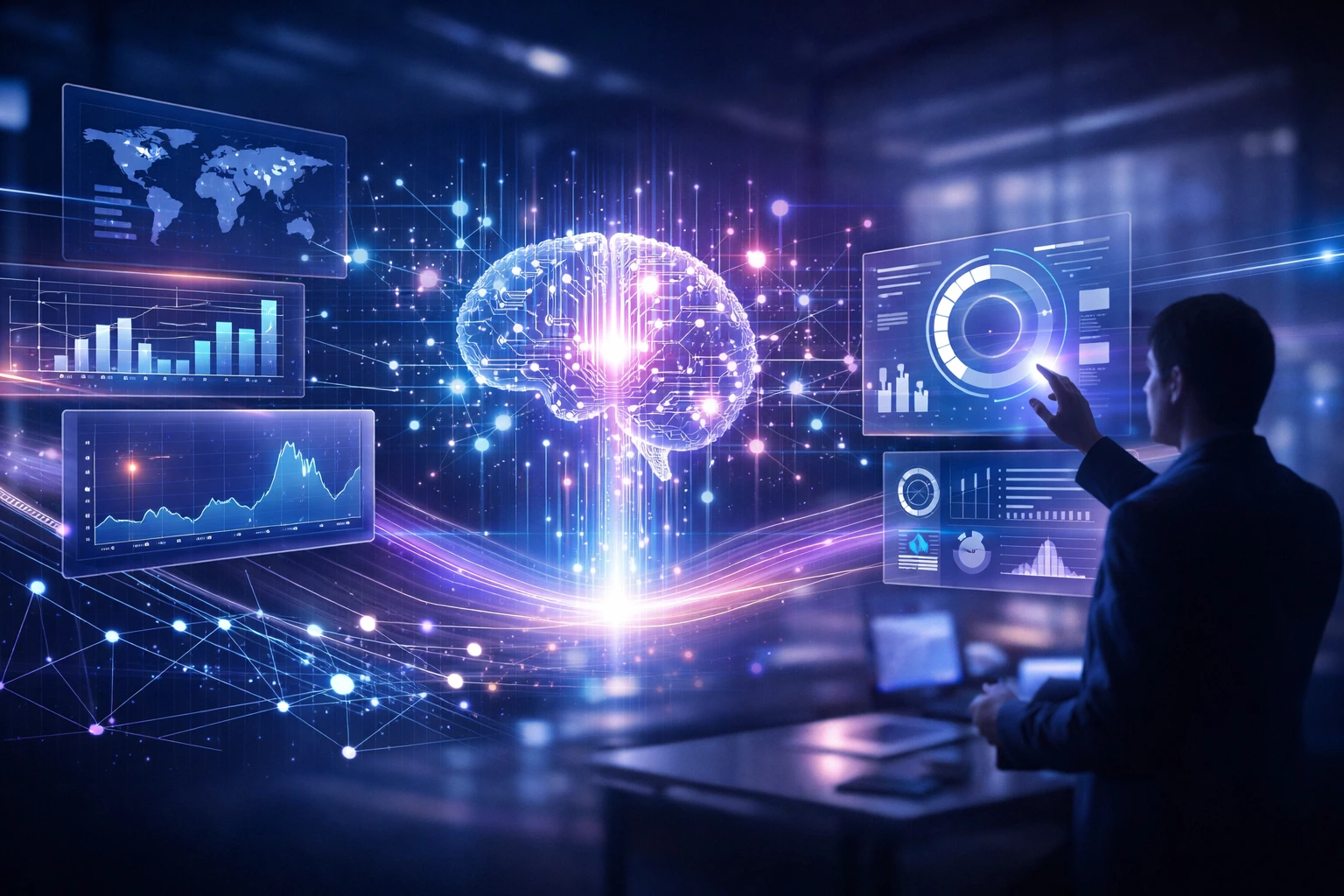
AI & Machine Learning in Modern Marketing: Driving Smarter Decisions and Scalable Growth
Artificial Intelligence (AI) and Machine Learning (ML) are no longer future concepts—they are actively reshaping how businesses approach marketing, customer engagement, and growth. For organisations looking to stay competitive, integrating AI-powered tools into marketing strategies is no longer optional; it is essential.
From predictive analytics to automated optimisation, AI enables marketers to make faster, more informed decisions while delivering personalised experiences at scale. Platforms such as https://www.dataot.com are at the forefront of this shift, helping businesses unlock deeper insights and achieve measurable results through intelligent data use.
Understanding AI and Machine Learning in Marketing
AI refers to systems that simulate human intelligence, while machine learning is a subset that allows systems to learn from data and improve over time without explicit programming.
In marketing, this means:
- Analysing vast amounts of customer data instantly
- Identifying patterns and trends humans may miss
- Automating decisions based on real-time insights
The result is a more efficient, data-driven approach that reduces guesswork and increases ROI.
AI Tools Transforming Marketing Operations
Modern AI tools are designed to streamline marketing workflows while enhancing performance. These tools can handle repetitive tasks, optimise campaigns, and provide actionable insights.
1. Marketing Automation Platforms
AI-powered automation tools can:
- Schedule and optimise email campaigns
- Segment audiences dynamically
- Trigger personalised messaging based on behaviour
This ensures that customers receive the right message at the right time, improving engagement and conversion rates.
2. Customer Data Platforms (CDPs)
AI-driven CDPs unify customer data from multiple sources, creating a single view of each customer. This allows businesses to:
- Understand customer journeys
- Personalise interactions across channels
- Improve retention strategies
3. AI-Powered Analytics Tools
Analytics tools enhanced with AI go beyond basic reporting. They:
- Predict future customer behaviour
- Identify high-value segments
- Recommend next best actions
Solutions like those offered by DataOT enable businesses to harness these capabilities without requiring deep technical expertise.
Predictive Analytics: Anticipating Customer Behaviour
Predictive analytics is one of the most powerful applications of AI in marketing. By analysing historical data, machine learning models can forecast future outcomes.
Key Benefits
- Customer Lifetime Value Prediction: Identify high-value customers early
- Churn Prevention: Detect signs of disengagement and intervene proactively
- Demand Forecasting: Anticipate product or service demand
Instead of reacting to trends, businesses can act ahead of time, gaining a significant competitive advantage.
Automated Optimisation: Smarter Campaign Performance
AI enables continuous optimisation of marketing campaigns without manual intervention.
How It Works
AI systems analyse performance data in real time and adjust variables such as:
- Ad placements
- Budget allocation
- Target audiences
- Messaging variations
Why It Matters
- Reduces wasted ad spend
- Improves conversion rates
- Accelerates campaign performance
This level of optimisation ensures that marketing efforts are always aligned with the best possible outcomes.
The Role of AI in Content Strategy
Content remains a critical pillar of digital marketing, and AI is transforming how it is created, distributed, and optimised.
1. Content Ideation
AI tools can analyse search trends, audience behaviour, and competitor content to suggest high-performing topics.
2. Content Personalisation
AI enables dynamic content delivery based on user preferences, behaviour, and demographics. This leads to:
- Higher engagement
- Improved user experience
- Increased conversions
3. SEO and Performance Optimisation
AI can:
- Identify relevant keywords
- Optimise content structure
- Predict ranking potential
This ensures that content is not only engaging but also discoverable.
Bridging Data and Strategy with AI
One of the biggest challenges in marketing is turning data into actionable strategy. AI bridges this gap by:
- Simplifying complex datasets
- Providing clear recommendations
- Automating decision-making processes
Platforms like DataOT are designed to make this transition seamless, empowering businesses to leverage AI without the need for extensive technical resources.
Why Businesses Are Turning to AI-Driven Solutions
The adoption of AI in marketing is accelerating for several reasons:
Efficiency
AI reduces manual workload, allowing teams to focus on strategy and creativity.
Scalability
AI enables businesses to scale marketing efforts without a proportional increase in resources.
Accuracy
Data-driven decisions minimise errors and improve outcomes.
Personalisation at Scale
AI makes it possible to deliver tailored experiences to thousands—or even millions—of users simultaneously.
Challenges and Considerations
While AI offers significant advantages, businesses must also consider:
- Data Quality: AI is only as good as the data it processes
- Integration: Ensuring compatibility with existing systems
- Ethical Use: Maintaining transparency and data privacy
Working with reliable platforms such as DataOT can help mitigate these challenges by providing structured, compliant solutions.
The Future of AI in Marketing
AI and machine learning will continue to evolve, with advancements in:
- Real-time personalisation
- Voice and conversational AI
- Advanced predictive modelling
Businesses that invest early in AI-driven marketing strategies will be better positioned to adapt to these changes and maintain a competitive edge.
Conclusion
AI and machine learning are transforming marketing into a more intelligent, efficient, and results-driven discipline. From predictive analytics to automated optimisation and advanced content strategies, AI empowers businesses to make smarter decisions and achieve sustainable growth.
For organisations looking to harness these capabilities, platforms like DataOT provide the tools and insights needed to turn data into measurable success. Embracing AI is no longer just an innovation—it is a strategic necessity for modern marketing.


