AI & Machine Learning: Transforming Modern Marketing Through Data-Led Intelligence
 Written by Brendan Byrne
| Wednesday, December 10, 2025
Written by Brendan Byrne
| Wednesday, December 10, 2025
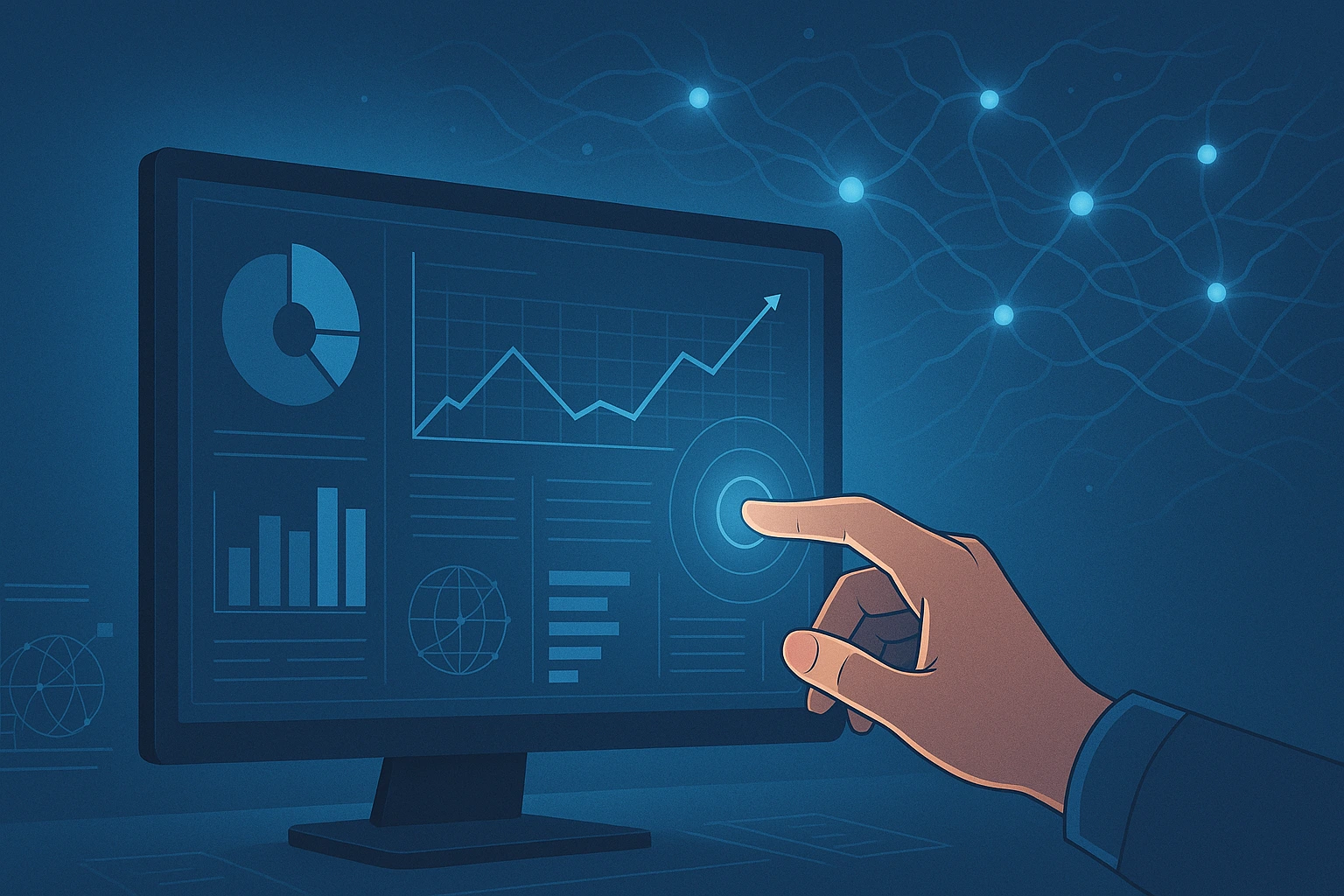
AI & Machine Learning: Transforming Modern Marketing Through Data-Led Intelligence
(~1200 words)
Artificial intelligence (AI) and machine learning (ML) are rapidly becoming the backbone of modern marketing. Businesses across Australia and globally are shifting from reactive decision-making to predictive, automated, and deeply data-centred strategies. At the heart of this transformation is the ability of AI to interpret patterns, forecast behaviours, and orchestrate marketing tasks at a scale no human team can replicate alone.
For organisations looking to remain competitive, AI is no longer a futuristic concept but a fundamental component of effective digital strategy. Companies like DataOT are leading the transition by helping businesses leverage the power of their own data to make smarter, faster, and more profitable decisions.
The Rise of AI Tools in Modern Marketing
AI marketing tools have evolved far beyond simple automation. Today’s solutions can analyse customer behaviours, segment audiences automatically, dynamically adjust ad spend, and even create content tailored to individual preferences.
At its core, AI does three things exceptionally well:
- Processes large volumes of data quickly
- Identifies patterns and anomalies invisible to the human eye
- Executes actions or recommendations based on real-time insights
This makes AI invaluable for marketing teams managing multi-platform campaigns, large customer datasets, or fast-moving product portfolios.
Popular AI marketing use cases now include:
- Customer segmentation and buyer-persona modelling
- Automated bid strategies for digital advertising
- Real-time personalisation of website content
- Predictive lead scoring
- Enhanced customer journey mapping
- Automated reporting and performance insights
These capabilities allow marketers to shift their focus from repetitive tasks to higher-level strategy and creativity.
Predictive Analytics: Forecasting Customer Behaviour with Precision
Predictive analytics is one of the most powerful applications of machine learning in marketing. Using historic and real-time data, AI models can forecast outcomes such as:
- Likelihood of purchase
- Customer lifetime value
- Churn risk
- Best time to send communications
- Optimal content topics for engagement
For example, rather than guessing which leads are most likely to convert, predictive models assign a probability score based on behavioural indicators. This ensures sales and marketing efforts are directed where they have the greatest impact.
Businesses using predictive analytics regularly report:
- Higher campaign ROI
- More accurate forecasting
- Increased customer retention
- Reduced advertising waste
This technology empowers marketers to plan proactively rather than reactively—an essential advantage in highly competitive industries.
Automated Optimisation: Always-On Marketing Intelligence
One of AI’s greatest strengths is its ability to make continuous micro-optimisations. Unlike manual campaign management, which is limited by time and resources, automated optimisation evaluates performance in real time and adjusts accordingly.
Examples of automated optimisation in action
- Ad platforms using ML-driven bidding: Increase spend when cost-per-conversion is favourable, scale back during inefficiency.
- Email platforms adjusting send times: Deliver at the moment each subscriber is most likely to open.
- Website personalisation engines: Change page layouts, CTA placement, or product recommendations based on user behaviour.
- SEO optimisation tools: Identify trending keywords and technical issues before rankings decline.
AI doesn’t replace the marketer; it enhances their capability by continually refining performance while they focus on strategy, messaging, and creativity.
AI’s Expanding Role in Content Strategy
Content marketing has evolved dramatically with the introduction of AI and ML. While creativity remains a human strength, AI enhances content strategy by providing robust data insights.
1. Content Research and Topic Discovery
AI tools scan millions of articles, search queries, and social signals to identify emerging topics. This ensures content is relevant, timely, and aligned with user intent.
2. Audience-Driven Content Recommendations
Machine learning models can analyse:
- Past engagement
- Demographic patterns
- On-site behaviours
- Search trends
…to recommend the type of content most likely to resonate with specific audience segments.
3. AI-Generated Content Drafts
While human oversight is essential, AI can draft baseline content, generate variations, or repurpose existing materials—dramatically speeding up production cycles.
4. SEO Insight and Optimisation
AI tools now provide:
- Keyword clustering
- Competitor content analysis
- Predictive ranking indicators
- On-page optimisation recommendations
This enables brands to publish content that strategically aligns with search intent and ranking opportunities.
5. Performance Tracking and Iteration
AI monitors how content performs across channels and suggests improvements—from updating stale blogs to testing new formats.
In short, AI supports a smarter, leaner, and more measurable content strategy—one built not on guesswork, but on actionable data.
Why AI Is Essential for Data-Led Businesses
The sheer amount of data modern companies collect can be overwhelming. Customer behaviours, sales metrics, supply chain data, and digital interactions all create vast datasets. Without advanced tools, much of this data remains untapped.
AI and ML unlock the value of this information by:
- Converting raw data into strategic insights
- Identifying revenue opportunities
- Reducing operational inefficiency
- Improving targeting accuracy
- Personalising customer experiences
For businesses adopting digital transformation, the integration of AI is not just advantageous—it's essential.
How DataOT Supports AI-Driven Growth
DataOT specialises in helping organisations leverage AI and machine learning to gain clarity, efficiency, and performance from their data. Through strategic consulting, advanced analytics, and tailored AI solutions, DataOT empowers businesses to make confident, data-backed decisions.
Their services support companies looking to:
- Implement predictive analytics
- Enhance marketing automation
- Optimise digital advertising
- Improve attribution modelling
- Build intelligent dashboards
- Integrate machine learning into everyday operations
By working closely with clients, DataOT ensures AI tools not only function correctly but align with genuine business goals. This approach makes complex technology both accessible and commercially valuable.
To learn more about how DataOT supports organisations in making smarter decisions, visit DataOT.
The Future of AI in Marketing
AI will continue to redefine marketing over the coming years, with emerging trends such as:
- Hyper-personalised user journeys tailored to individuals in real time
- Voice-driven search optimisation
- AI-powered creative generation for ads and video
- Autonomous media buying
- Advanced customer identity resolution
- Predictive personalisation across omnichannel ecosystems
As models become more sophisticated, businesses that embrace AI early will hold a significant competitive advantage.
Conclusion
AI and machine learning have transitioned from optional enhancements to indispensable marketing tools. By empowering predictive analytics, real-time optimisation, and data-driven content strategy, AI allows businesses to operate with greater precision and impact.
Companies like DataOT are essential partners in helping brands navigate this transformation—ensuring AI is not only implemented but harnessed effectively.
With stronger insights, smarter systems, and the ability to act at scale, AI is shaping the next generation of marketing—and the opportunities are only beginning.


